

The season of dazzling fresh greenery and comforting sunlight has arrived. From all across Kyushu, tidings of hydrangea blossoms are starting to pour in. Shimmering under the rain, these hydrangeas deepen in color, while the misty air gently brings out the soft expressions of the petals. Changing from vibrant blues to soft pinks depending on the soil acidity—even on the exact same bush—hydrangeas are the true stars of early summer, creating a picture-perfect scene no matter where you look.
In this featured guide, we will journey across the 7 prefectures of Kyushu, from Fukuoka in the north to Kagoshima in the south, exploring 7 of the region's most iconic hydrangea spots. We also highlight early summer festivals happening during the bloom, alongside the latest scenic seaside drives that seamlessly connect these floral destinations. Whether it rains or shines, here is your ultimate guide to an uplifting early summer journey through Kyushu.
7 Top Hydrangea Spots in Kyushu
We introduce Kyushu's most colorful hydrangea spots in a single, efficient route starting from Fukuoka and heading south to Kagoshima. Temples, waterfalls, historic ruins, coastlines, and mountains—as the backdrop changes, the beauty of the hydrangeas takes on a whole new form.
1. Senkoji Temple (Kurume City, Fukuoka Prefecture)
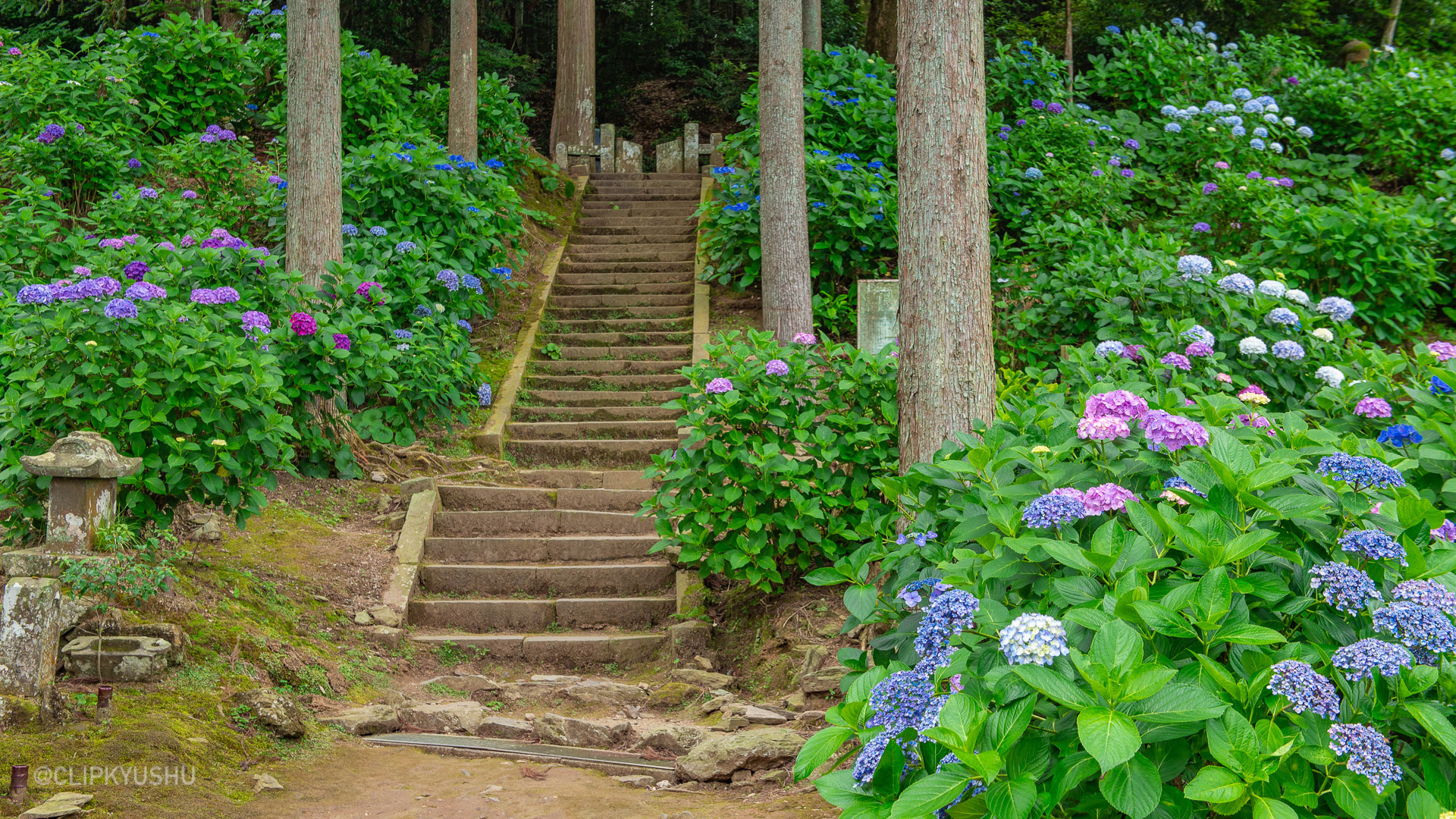
Said to have been founded in 1192 by the Buddhist monk Eisai, this is one of Kyushu's premier Zen temples. Lovingly referred to by locals as the "Hydrangea Temple," its secluded mountain grounds are blanketed by approximately 7,000 hydrangeas across more than 50 varieties. The flowers blooming quietly deep in the mountains offer pure serenity, drawing countless photography enthusiasts every year.
- Best Viewing: Early to late June
- Scale: Approx. 7,000 plants / Over 50 varieties
- Events: Hydrangea Festival (Held annually in June. Dates vary based on the blossoms; admission fee required during the festival period)
- Access: Approx. 20 minutes by car from Kurume IC on the Kyushu Expressway (Parking available)
2. Mikaeri Falls (Karatsu City, Saga Prefecture)
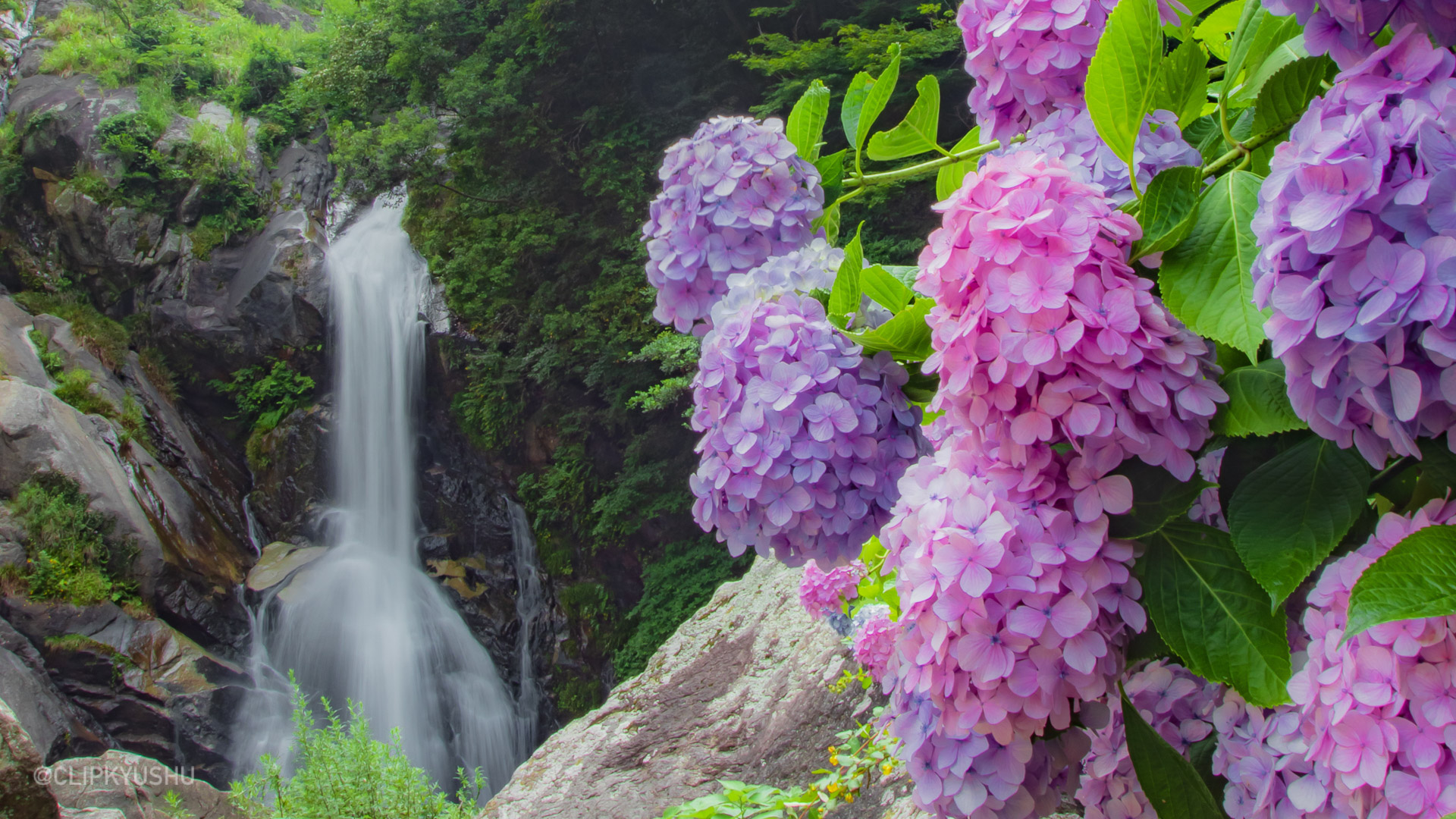
Selected as one of Japan's Top 100 Waterfalls, this magnificent cascade boasts one of the highest drops in Kyushu. Along the 1.4-kilometer walking path leading to the waterfall, roughly 40,000 hydrangeas encompassing 50 varieties burst into a vibrant display of colors. What started as just a few plants half a century ago has transformed into a massive colony that beautifully frames the falls. The evening illumination reveals a dreamlike, mystical side of the falls that completely contrasts with its daytime view.
- Best Viewing: Mid-June
- Scale: Approx. 40,000 plants / 50 varieties
- Events: Hydrangea Festival (June 6 (Sat) – June 21 (Sun), 2026). Features nightly illuminations and weekend shuttle bus services.
- Access: Approx. 5 minutes by car from JR Ouchi Station (Temporary paid parking available)
3. Siebold Historic Site (Nagasaki City, Nagasaki Prefecture)
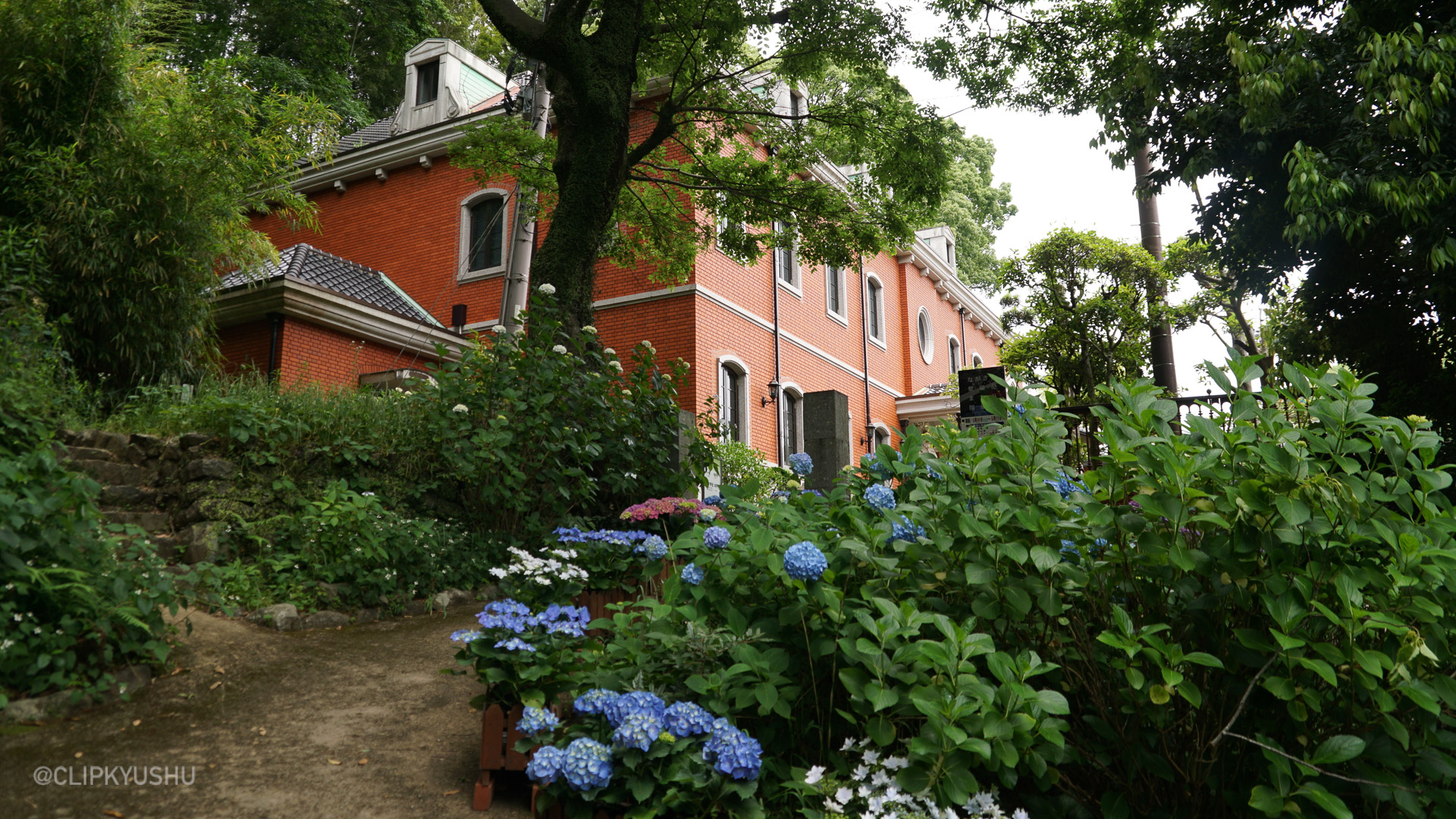
Designated as a National Historic Site, this location marks the ruins of the Narutaki Juku private school and residence established by Philipp Franz von Siebold, a physician at the Dejima Dutch trading post during the late Edo period. Deeply in love with a Japanese woman named Otaki, Siebold named the hydrangea "Otaksa" and introduced it to Europe. The hydrangea is the official flower of Nagasaki City. Come June, these historic grounds are adorned with quiet blooms. The adjacent red-brick Siebold Memorial Museum is another highly recommended stop.
- Best Viewing: June
- Highlights: Otaksa (Hydrangeas) / The adjacent Siebold Memorial Museum
- Access: Approx. 5 minutes on foot from the "Shin-Nakagawamachi" tram stop
4. Sumiyoshi Natural Park (Uto City, Kumamoto Prefecture)
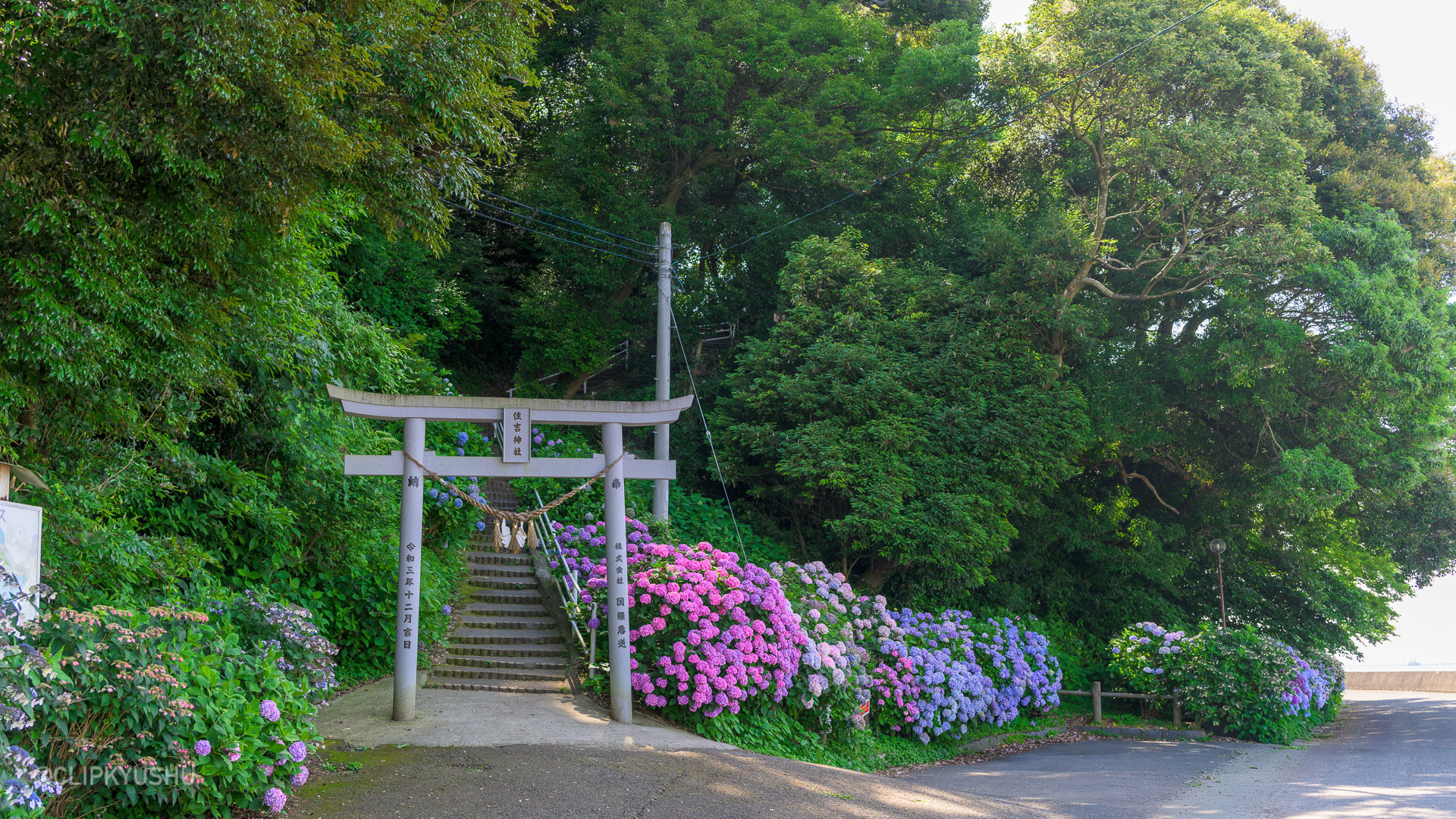
Facing the Ariake Sea, this lush broadleaf forest park houses the sacred grove of Sumiyoshi Shrine, which protects maritime safety. As the city's official flower, the hydrangeas here trace the outer edge of the park, making it one of Kumamoto's premier scenic locations. The contrast between the 3,000 purple, blue, white, and magenta blossoms and the sweeping views of the Ariake Sea below is absolutely breathtaking. On a Sunday in mid-June during peak bloom, visitors can also enjoy the charming Hydrangea Mandolin Concert.
- Best Viewing: Mid-June to early July
- Scale: Approx. 3,000 plants
- Highlights: Hydrangeas set against the Ariake Sea / Hydrangea Mandolin Concert
- Access: Approx. 5 minutes by car from JR Sumiyoshi Station
5. Fukoji Temple (Bungo-Ono City, Oita Prefecture)
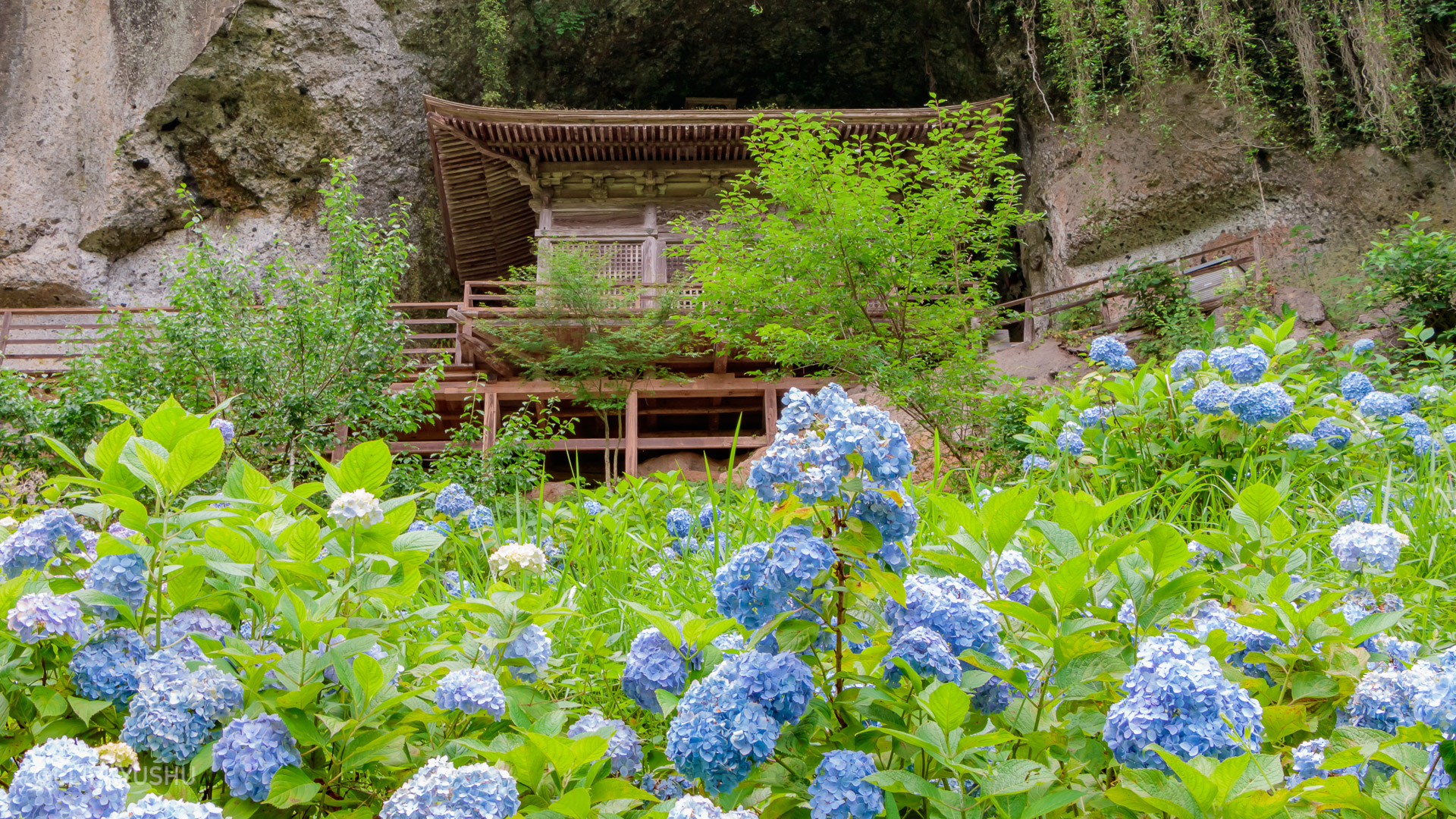
This ancient temple of the Koyasan Shingon sect is famous for housing one of Japan's largest Magaibutsu (Buddhist figures carved directly into a cliffside), centered around a towering 11-meter-tall Fudo Myoo. Against the majestic backdrop of these cliff carvings, which are said to date back to the Kamakura period, roughly 3,000 hydrangeas bloom with a dignified grace. Also known as the "Hydrangea Temple," visitors can stroll down the flower-lined paths to get an up-close look at the monumental carvings.
- Best Viewing: Mid-June to mid-July
- Scale: Approx. 3,000 plants
- Highlights: The breathtaking collaboration of Japan's massive cliffside Buddha and hydrangeas
- Access: Approx. 15 minutes by car from JR Asaji Station (Parking available)
6. Ajisai Park (Miyakonojo City, Miyazaki Prefecture)
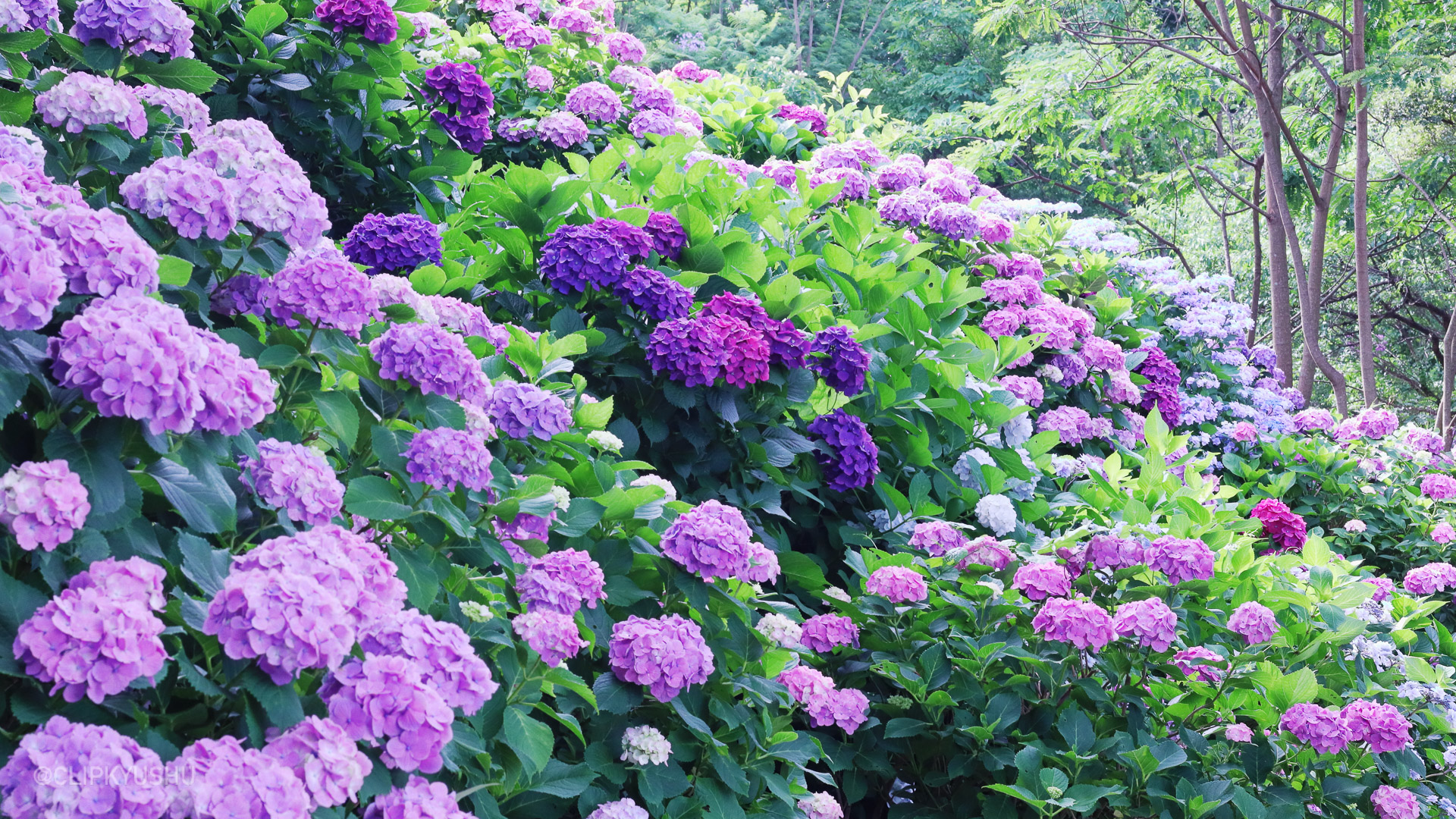
Perched on a hilltop about 210 meters above sea level, this park undergoes continuous planting with the ambitious goal of becoming "Japan’s Number One Hydrangea Spot." An incredible 28,000 hydrangeas across 84 varieties cascade down the 6.9-hectare hillside. From the castle-shaped observation deck at the summit, you can take in panoramic views of the Miyakonojo Basin with the Kirishima Mountain Range rising in front of you. It stands out as one of Miyazaki's top destinations for combining sweeping vistas with floral beauty.
- Best Viewing: Early to mid-June
- Scale: 28,000 plants / 84 varieties
- Highlights: Panoramic views of the Kirishima Mountain Range and Miyakonojo Basin from the observation deck
- Access: Approx. 40 minutes by car from Miyazaki City center
7. Shinonome no Sato Hydrangea Garden (Izumi City, Kagoshima Prefecture)
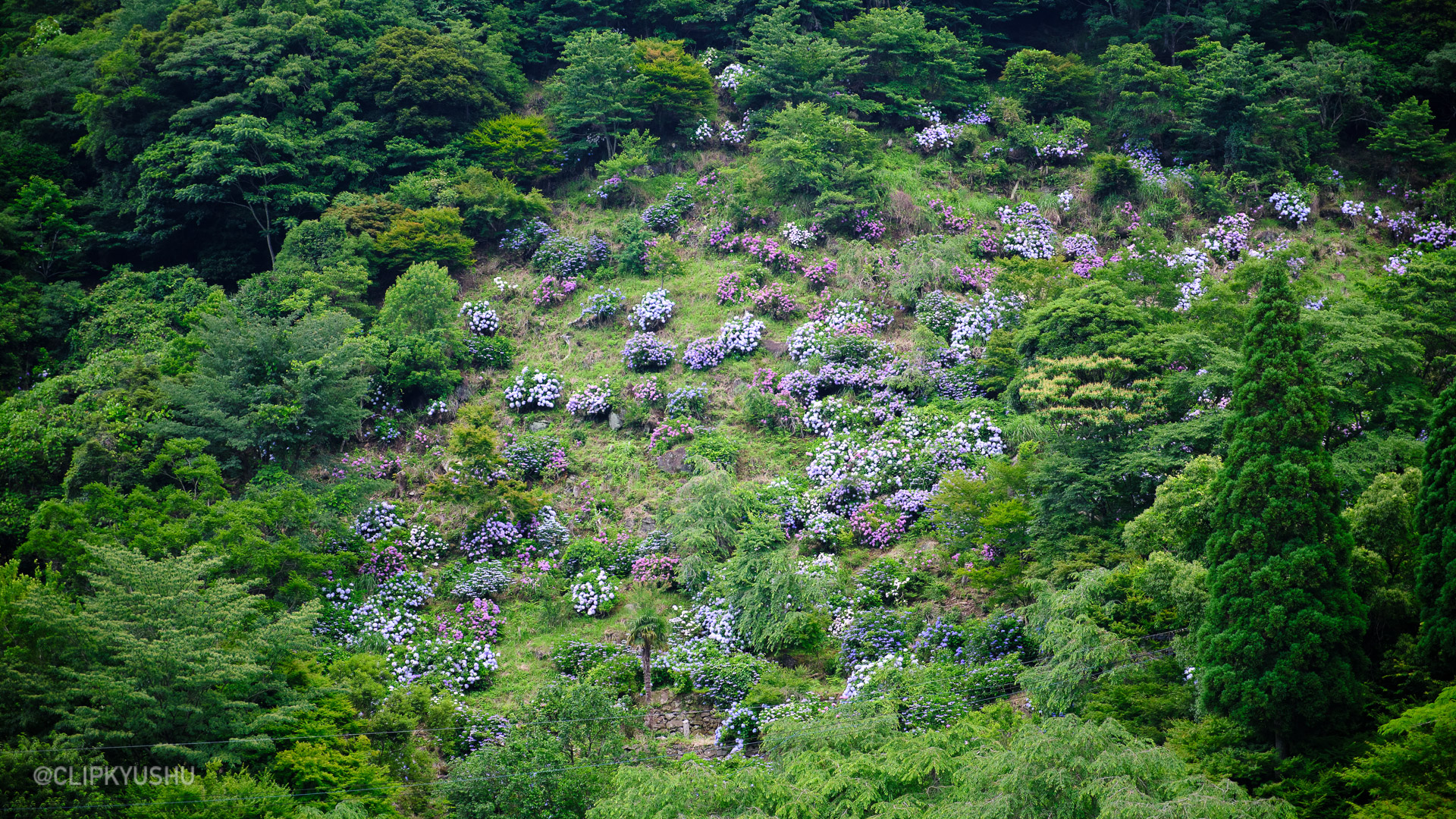
This vast, 132,000-square-meter landscape garden was meticulously designed to preserve the natural contours and slopes of the mountain. One of Japan's grandest "Hydrangea Canyons," it features an astonishing 100,000 hydrangeas across 160 varieties blanketed over the mountainside. Strolling along the walking paths handcrafted by the owner (who is also a ceramic artist), you will find the serene Shinonome Falls upstream. The garden features many native Japanese varieties, offering a delicate, rustic charm that blends seamlessly into the wilderness.
- Best Viewing: Mid-June
- Scale: Approx. 100,000 plants / 160 varieties across 132,000 square meters
- Admission: 500 yen for junior high school students and older, free for elementary school students and younger (during the Hydrangea Festival)
- Access: Approx. 25 minutes by car from JR Izumi Station
4 Early Summer Festivals to Enjoy Alongside Hydrangeas
The hydrangea season coincides with a bustling calendar of local festivals and floral events throughout Kyushu. From historic markets and riverside irises to tropical blooms and high-spirited tug-of-war contests, here are four early summer events worth adding to your itinerary.
Haiki Chaichi [Tea Market] - Atoshi (Sasebo City, Nagasaki Prefecture)
Originating in the Azuchi-Momoyama period, this market began when fishermen and farmers gathered at this vital transportation hub to barter the bounties of the sea and mountains. Carrying a history of over 400 years into the modern era, it remains a lively early summer tradition featuring over 100 stalls packed with fresh seafood and local delicacies. This year, the grand finale market known as "Atoshi" will take place.
- Event Period: May 29 (Fri) – May 31 (Sun), 2026
- Access: Approx. 5 minutes on foot from JR Haiki Station
Takase Uragawa Iris Festival (Tamana City, Kumamoto Prefecture)
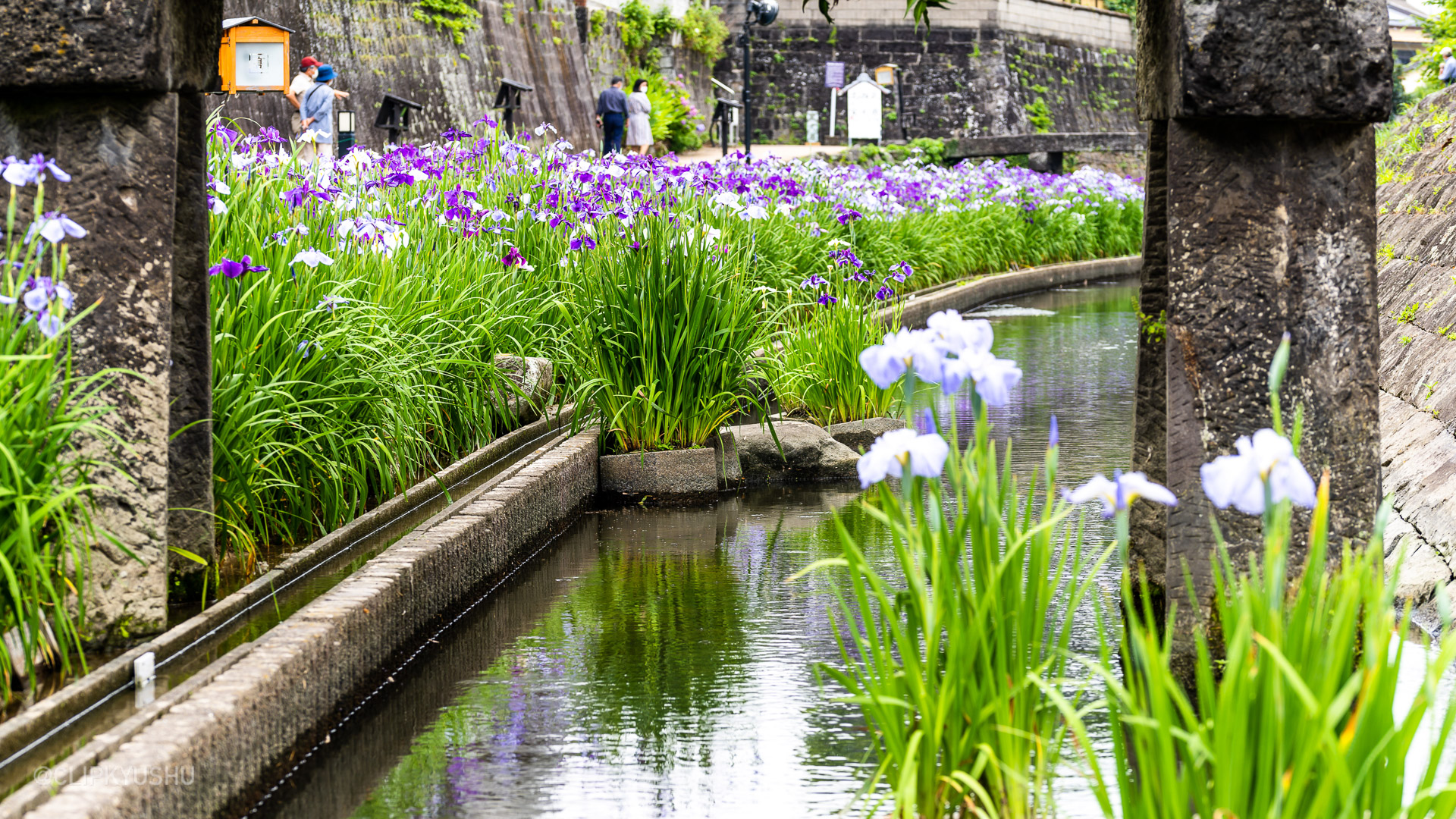
The Takase Uragawa River area is highly regarded for its beautifully preserved Edo-period stone bridges, stone walls, and historic merchant houses. Along a 700-meter stretch of the riverbank, a sea of purple and white irises blooms in magnificent profusion. The festival period is packed with things to see, including evening illuminations, traditional warrior flags, local produce markets, live concerts, and open-air tea ceremonies.
- Event Period: May 22 (Fri) – June 6 (Sat), 2026
Jacaranda Festival 2026 (Nichinan City, Miyazaki Prefecture)
The jacaranda is celebrated as one of the world's three most beautiful flowering trees. The area surrounding Michi-no-Eki (Roadside Station) Nango in Nichinan City is home to Japan's only large-scale grove of around 1,000 jacarandas. The pairing of light purple blossoms with the sweeping views of the Hyuga Sea is magnificent. The festival features nightly illuminations (19:00–22:00), fresh local mango tastings, and a sapling lottery.
- Event Period: May 23 (Sat) – June 14 (Sun), 2026
- Venue: Around "Michi-no-Eki" Nango
Yobuko Dai-Tsunahiki [Giant Tug-of-War] (Karatsu City, Saga Prefecture)
Designated as a National Important Intangible Folk Cultural Property, this historic festival dates back to when Toyotomi Hideyoshi established his base at Hizen Nagoya Castle, ordering his troops to pull the ropes of warships to boost morale. The town splits into two factions—the Hama Team (praying for a large catch of fish) and the Oka Team (praying for a bountiful harvest)—to pull a massive 200-meter-long, 15-centimeter-thick rope in a best-of-three match. Tourists are welcome to jump in and participate!
- Event Period: June 6 (Sat) – June 7 (Sun), 2026
- June 6: Children's Tug-of-War / June 7: Adults' Tug-of-War
9 Scenic Seaside Drives in Kyushu Linking the Floral Spots
A journey exploring hydrangeas pairs wonderfully with a coastal road trip. Simply cruising along the shoreline rewards you with rapidly changing landscapes. From tropical expanses and calm inner seas to islands scattered across the horizon, here are Kyushu's pride-and-joy coastal routes that combine great driving, fresh air, and sightseeing.
1. Shikanoshima Island Drive (Fukuoka City, Fukuoka Prefecture)
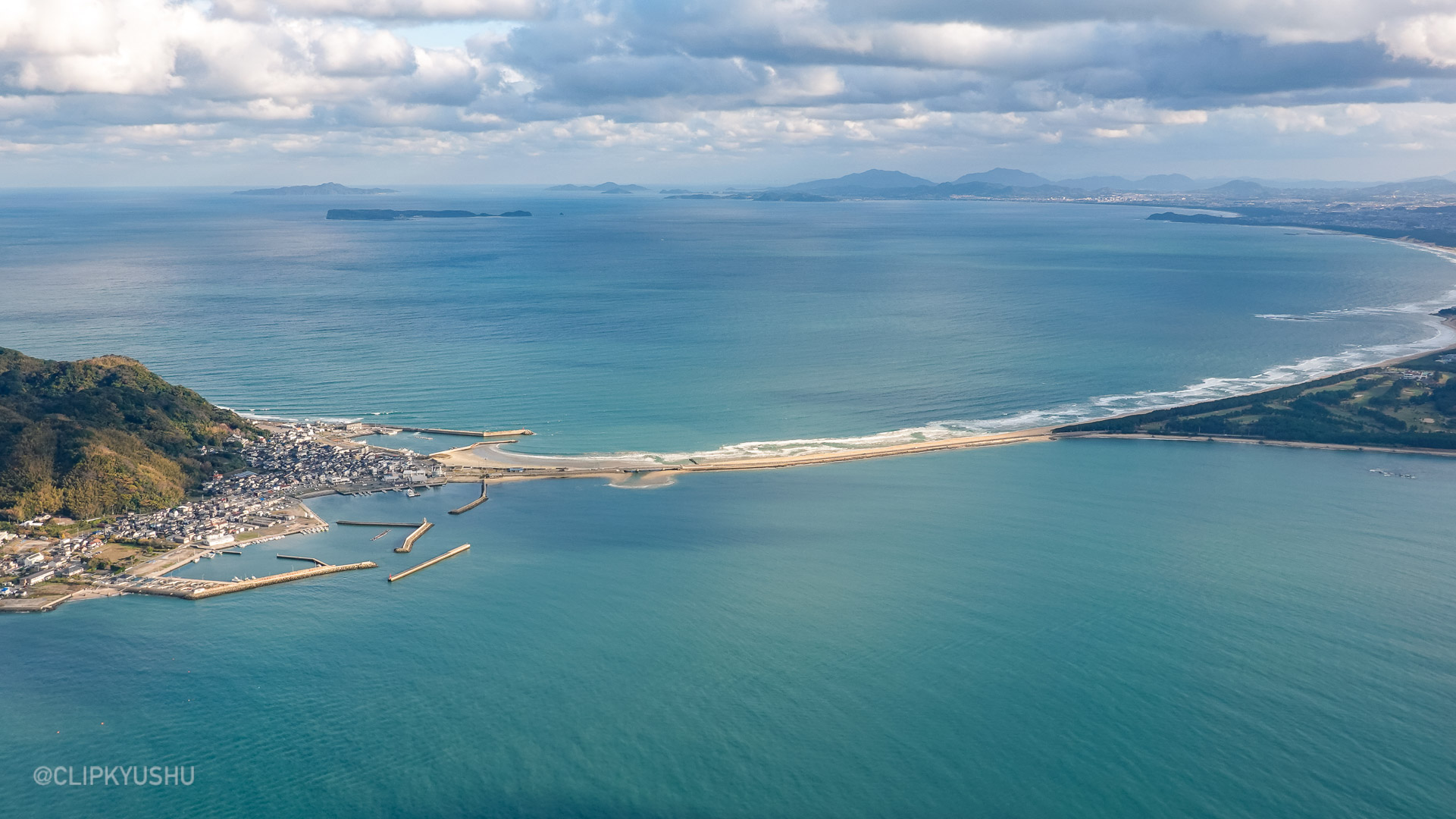
A 20-kilometer loop road that crosses the "Uminonakamichi" sandbar to encircle Shikanoshima Island. It offers an incredible sense of coastal freedom that makes it hard to believe you are just a short trip from the bustling city center.
- Recommended Stops: Uminonakamichi Seaside Park / Marine World Uminonakamichi / Shiomi Park Observation Deck
2. Route Grand Bleu (Karatsu City, Saga Prefecture)
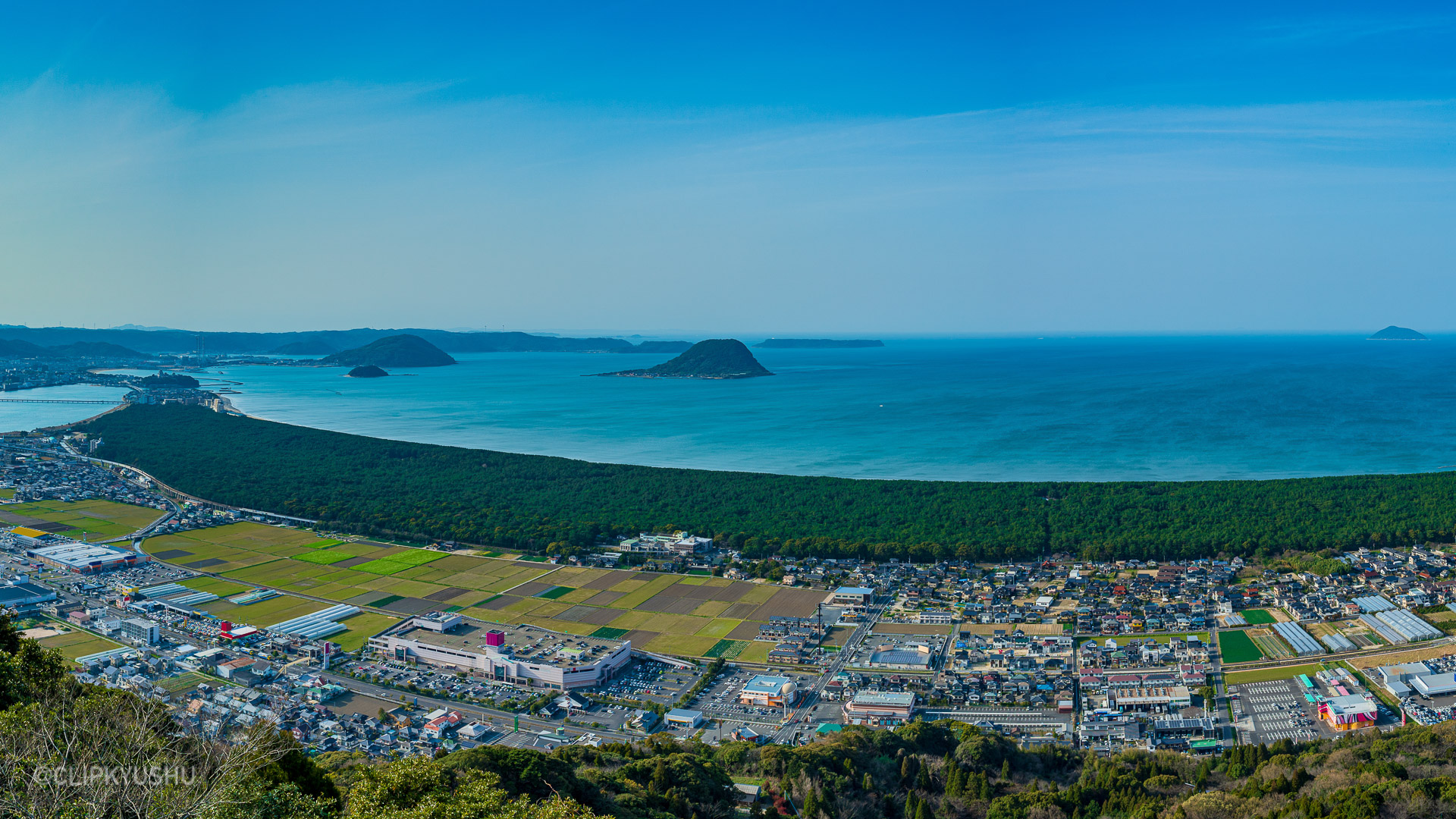
Running from Karatsu to Yobuko, this route allows you to savor the Genkai Sea from a variety of angles. Enjoy the ocean from changing perspectives, including capes, grand bridges, coastal roads, and even underwater observatories.
- Recommended Stops: Nanatsugama Caves (Marine Pal Yobuko) / Genkai Underwater Observation Tower & Cape Hado / Hamanoura Rice Terraces
3. Saikai Pearl Line (Sasebo City to Saikai City, Nagasaki Prefecture)
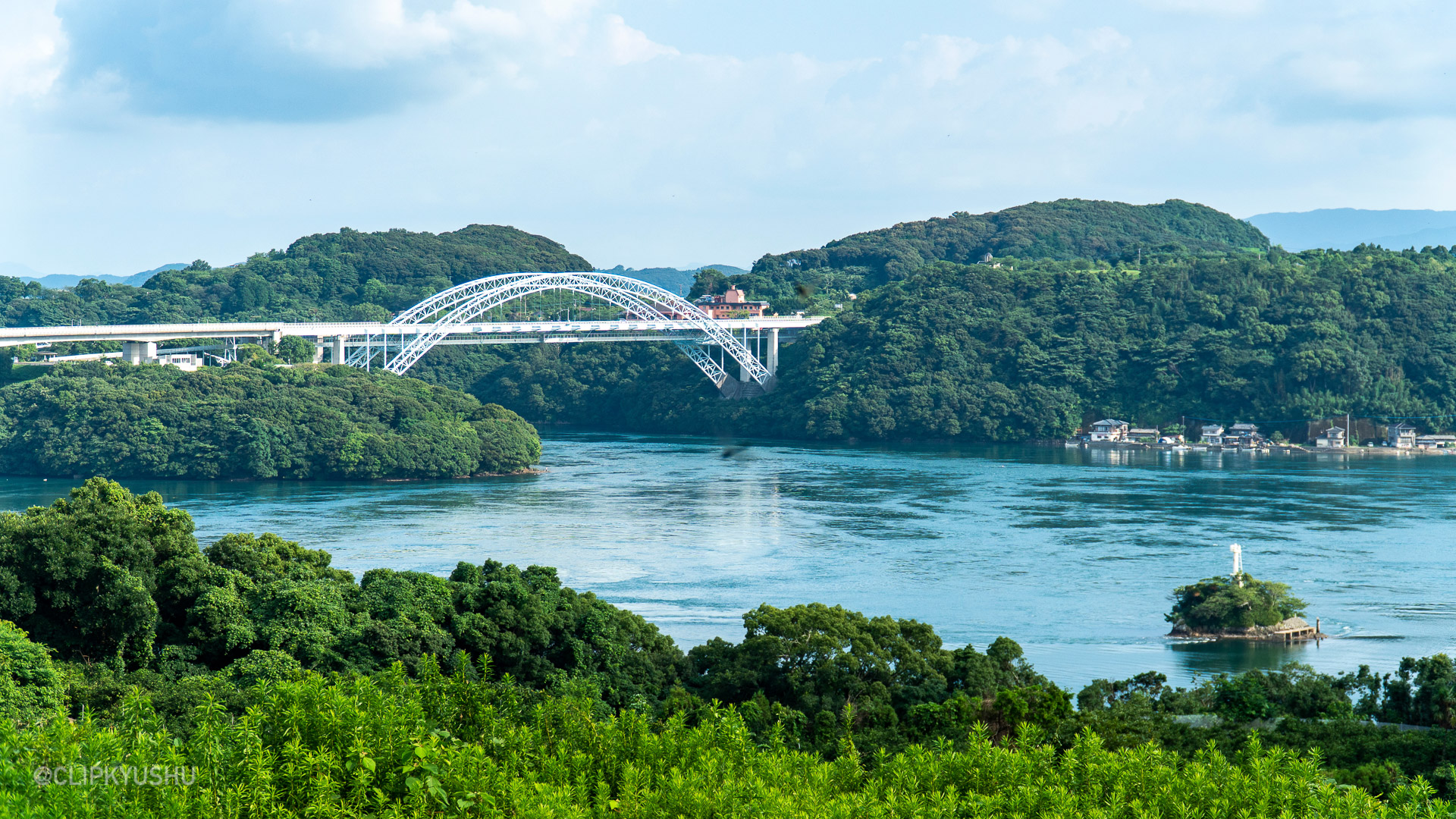
A 5-kilometer toll road where you can experience the powerful tidal currents of the Hario Strait alongside striking bridge vistas. Visitors can marvel at churning whirlpools and sample seasonal local mandarin oranges.
- Recommended Stops: Saikai Bridge Park (Whirlpools) / Michi-no-Eki Saikai Mikan Dome
4. Amakusa Five Bridges Route (Amakusa City, Kumamoto Prefecture)
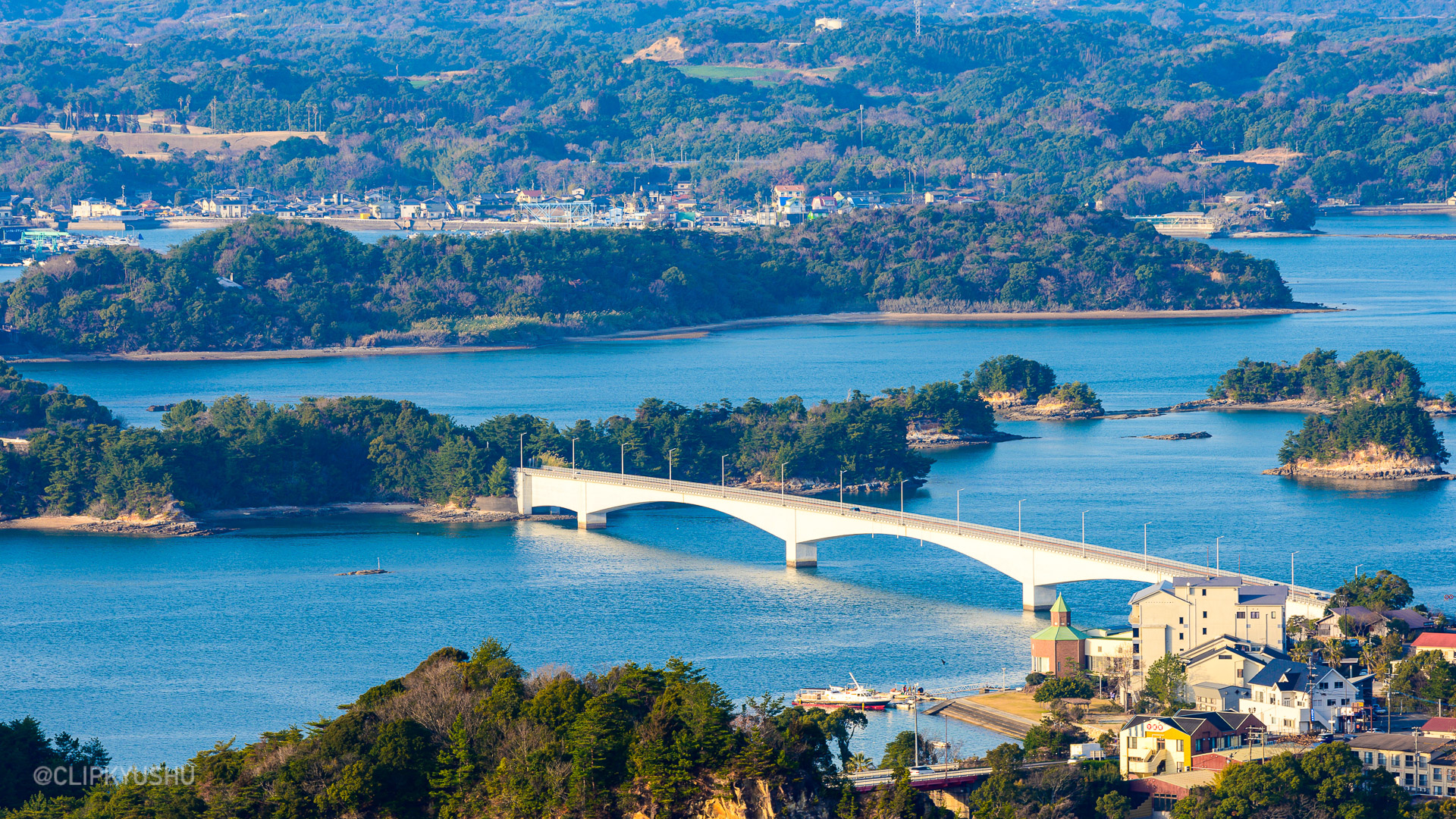
The scenery transforms dramatically each time you cross one of the five distinct bridges. This drive perfectly showcases the dynamic, island-studded beauty forged by the surrounding sea.
- Recommended Stops: Amakusa Dolphin Watching / L'isola Terrace Amakusa / Mt. Takabuto
5. Minamata-Ashikita Seaside Road (Minamata City to Ashikita District, Kumamoto Prefecture)

An 80-kilometer road tracing the Yatsushiro Sea. It offers serene views of a rias coastline and feeds into the Yunoko Cherry Line, a route famous for its cherry blossoms.
- Recommended Stops: Otachimisaki Park / Yunoko Onsen / Eco Park Minamata (Rose Garden)
6. Beppu Bay Seaside Drive (Oita City to Kitsuki City, Oita Prefecture)
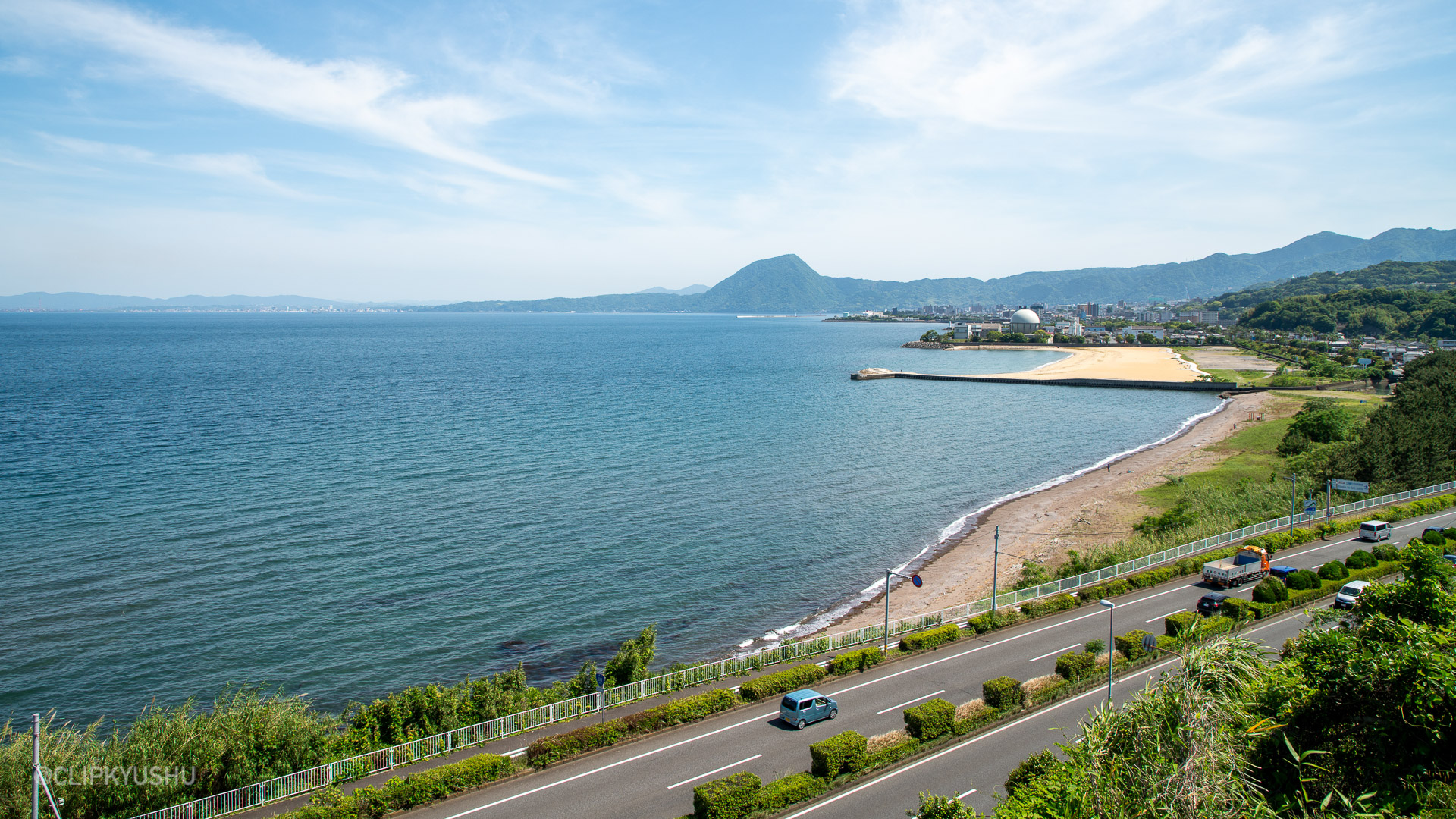
A 40-kilometer journey flanking Beppu Bay. This all-in-one itinerary strikes a perfect balance between ocean views, hands-on experiences, hot springs, and rich history.
- Recommended Stops: Umitamago Aquarium / Beppu Beach Sand Bath / Kitsuki Castle Town
7. Kunisaki Peninsula Coastal Route (Kunisaki City to Bungotakada City, Oita Prefecture)

A 60-kilometer stretch following National Route 213. The sunset at Matama Beach—affectionately dubbed the "Koikana (Love-Fulfilling) Road"—is an absolute must-see.
- Recommended Stops: Michi-no-Eki Kunisaki / Cape Nagasakibana / Matama Beach (Sunset over the mudflats)
8. Nichinan Phoenix Road (Miyazaki City, Miyazaki Prefecture)
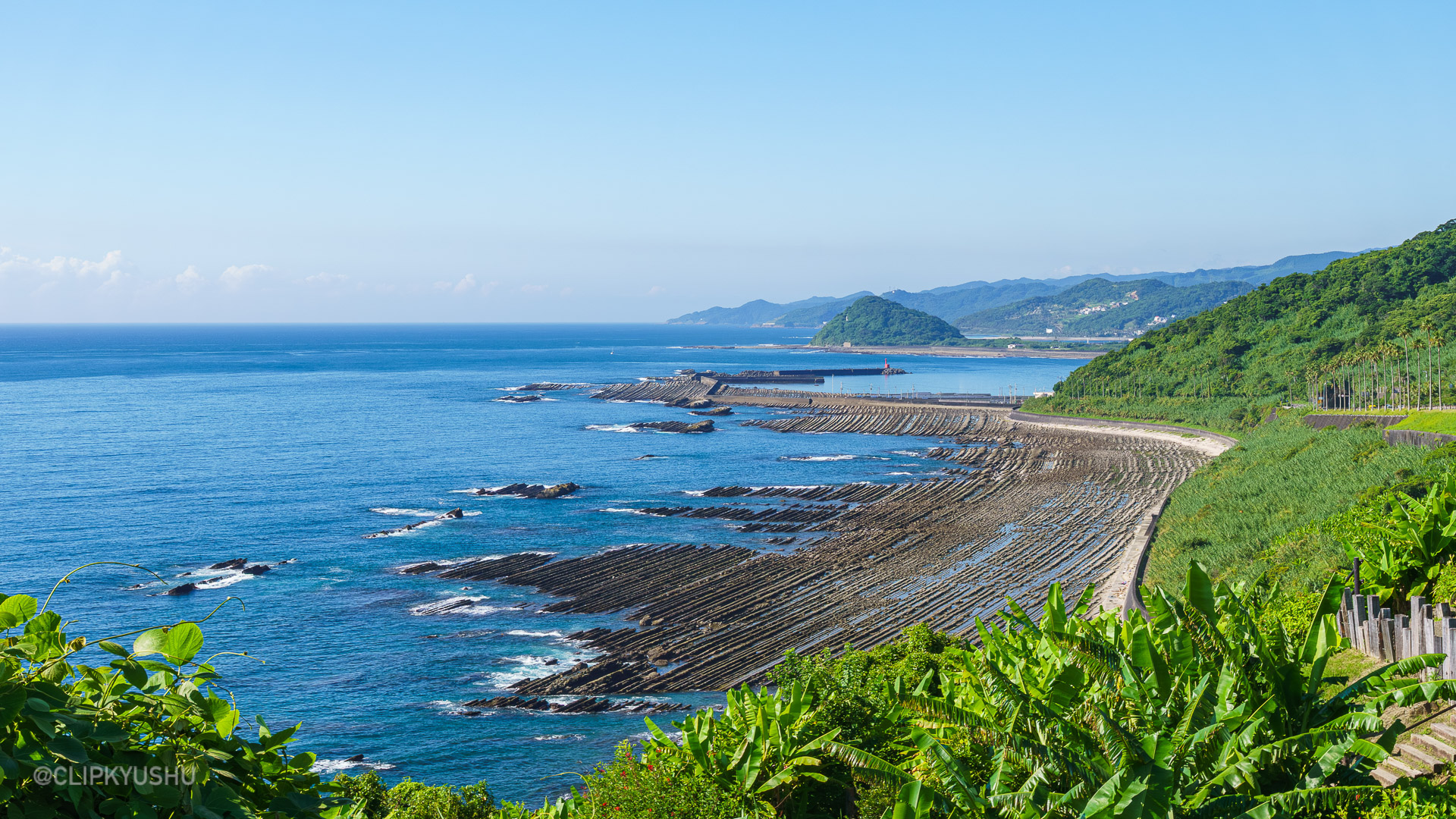
A magnificent 100-kilometer drive bordering the Pacific Ocean. Lined with iconic Phoenix palm trees alongside deep blue waters, it stands as the gold standard for a tropical road trip in Japan.
- Recommended Stops: Aoshima Island & Devil's Washboard / Sun Messe Nichinan (Moai Statues) / Michi-no-Eki Phoenix
9. Sata岬 [Cape Sata] Roadpark (Minamiosumi Town, Kagoshima Prefecture)
![Sata岬 [Cape Sata] Roadpark (Minamiosumi Town, Kagoshima Prefecture)](https://clip-magazine.com/wp-content/uploads/2026/05/2026001-17.jpg)
The road leading directly to Cape Sata, the southernmost point of Japan's main islands. It offers a dramatic, remote landscape where sub-tropical forests plunge straight into rugged coastal cliffs.
- Recommended Stops: Cape Sata Observatory / Gold Beach Ohama / Ogawa Falls
Venture Further: Discovering the Remote Islands of Kyushu
Just beyond the edge of the coastal highways, another side of Kyushu awaits. Beautiful scenery combined with the slow, relaxing pace of island life. In our "Kyushu Remote Island Guide," we introduce the scattered islands as ideal destinations to refresh your mind and body. Your Kyushu travels continue long after the hydrangea season ends.
Beautiful Especially on Rainy Days
The hydrangeas, the riverside irises, and the sweeping coastal highways—early summer in Kyushu is picture-perfect at every turn. Grab your umbrella, take the wheel, and head out to see these fleeting landscapes available only right now.
*Please note that blooming conditions, event schedules, and admission fees are subject to change, cancellation, or postponement. The peak viewing period for hydrangeas varies depending on the weather, so please check the official websites or updates from the hosts before traveling.


